
The Power of Nose Breathing: An Invitation to Slow Down, Become Curious, and Support Your Nervous System
"Curiosity invites us to explore beyond the edges of what we currently know."
We take thousands of breaths each day, yet most of us rarely stop to notice how we breathe.
For many women living with chronic stress, trauma, burnout, anxiety, or years of simply carrying too much, breathing has become automatic. Sometimes it's fast. Sometimes it's shallow. Sometimes we hold our breath without realizing it. Sometimes our mouth remains open throughout the day because our body has learned to stay ready.
Not because something is wrong.
Because our nervous system is incredibly intelligent.
Our bodies adapt to help us survive.
As a somatic therapist, I don't believe healing begins by forcing the body to change. I believe healing begins with curiosity.
What if, instead of asking,
"Am I breathing correctly?"
we asked,
"What has my breath been trying to tell me?"

Breathing Through the Lens of Curiosity
One of the greatest gifts my somatic training has given me is the reminder to remain open to the unknown.
To become curious.
Not everything has been discovered.
Not everything has been explained.
History is full of ideas that were once dismissed before research eventually caught up. It's also true that some ideas that sounded promising didn't withstand scientific testing.
Both realities can exist at the same time.
Science gives us a map..
Curiosity invites us to explore beyond the edges of what we currently know.
Without science, we risk drifting into false hope.
Without curiosity, we stop asking the questions that lead to new discoveries.
That balance is where I hope this conversation about breathing lives.
Books like Breath: The New Science of a Lost Art by James Nestor introduced many readers—including me—to fascinating stories of clinicians, athletes, researchers, yoga practitioners, and individuals exploring the role breathing may play in health and healing. Some of these stories describe remarkable personal experiences that inspired further research. While these stories are compelling, they should be understood as experiences that generate questions rather than proof that a particular breathing method works for everyone.
Today, research continues to expand our understanding of how breathing influences the body and nervous system.
And I suspect we are still learning
What We Know About Nose Breathing
Our nose was designed for breathing.
When we breathe through our nose, the body naturally prepares the air before it reaches the lungs.
Nasal breathing helps:
filter dust, allergens, and particles
warm and humidify the air we breathe
produce nitric oxide within the nasal passages, which supports blood vessel dilation and efficient oxygen exchange
encourage slower, more diaphragmatic breathing
Research also suggests that slow nasal breathing can support parasympathetic nervous system activity—the part of our nervous system often associated with rest, digestion, recovery, and restoration.
That doesn't mean nose breathing is a cure.
But it may help create conditions where the body finds it easier to regulate.

Trauma Changes the Way We Breathe
Trauma doesn't only live in our memories.
It often shows up in our physiology.
In my work with women, I frequently notice breathing patterns that tell a story.
Holding the breath.
Shallow breathing into the upper chest.
Frequent sighing.
Mouth breathing.
Bracing without realizing it.
These are not signs that someone has failed.
They are often intelligent adaptations developed by a nervous system trying to stay safe.
The body learned these patterns for a reason.
Healing is not about criticizing those adaptations.
Healing is about gently offering the body new experiences and allowing it to discover that another way of breathing may also be safe.
The Breath and the Nervous System
One of the most beautiful things about breathing is that it sits between what happens automatically and what we can gently influence.
We cannot think our way out of survival.
But we can begin offering the nervous system new experiences.
A slower breath.
A softer jaw.
Relaxed shoulders.
An easier exhale.
These small moments don't erase trauma.
They help create opportunities for the nervous system to experience something different.
Over time, those moments can become part of healing.

What Researchers Are Still Exploring
This is one of the most exciting areas of breathing science.
Researchers continue studying how breathing patterns may influence:
anxiety
sleep quality
chronic stress
carbon dioxide tolerance
exercise performance
emotional regulation
trauma recovery
Some early findings are promising.
Other questions still need stronger evidence before firm conclusions can be made.
As both a therapist and lifelong learner, I find this exciting.
Healing has always grown through curiosity.
Healing Begins with Curiosity
Fear often tells us to stay where we are.
Curiosity gently asks,
"What else might be possible?"
One of my favorite reminders is this:
Healing begins where curiosity becomes greater than fear.
Not because fear disappears.
But because we become willing to ask questions.
What is my body trying to communicate?
What happens if I soften my jaw?
What happens if I breathe through my nose for one minute?
What happens if this sensation isn't dangerous?
What if I'm not broken?
Those questions don't demand answers.
They invite awareness.
A Northwoods Daily Practice

Alternate Nostril Breathing (Nadi Shodhana)
This gentle yoga breathing practice has been used for centuries to cultivate steadiness and focused attention. Modern researchers are also exploring its effects on stress, autonomic regulation, and well-being, though more high-quality studies are still needed.
Find a comfortable seated position.
Allow your shoulders to soften.
Rest your left hand comfortably on your lap.
Using your right hand:
Gently close your right nostril with your thumb and inhale slowly through your left nostril.
Close your left nostril with your ring finger and release your thumb.
Exhale gently through your right nostril.
Inhale through your right nostril.
Close your right nostril.
Exhale through your left nostril.
This completes one round.
Continue for 3–5 minutes, allowing your breath to remain soft and unforced.
If you become dizzy, uncomfortable, anxious, or notice increasing distress, simply return to your natural breathing. If you have significant respiratory or cardiovascular concerns, check with your healthcare provider before beginning any new breathing practice.
As you breathe, become curious.
Notice...
Which nostril feels more open today?
Does your jaw soften?
Can you feel your ribs moving?
What sensations do you notice?
What emotions are present?
There is nothing to fix.
There is only something to notice.
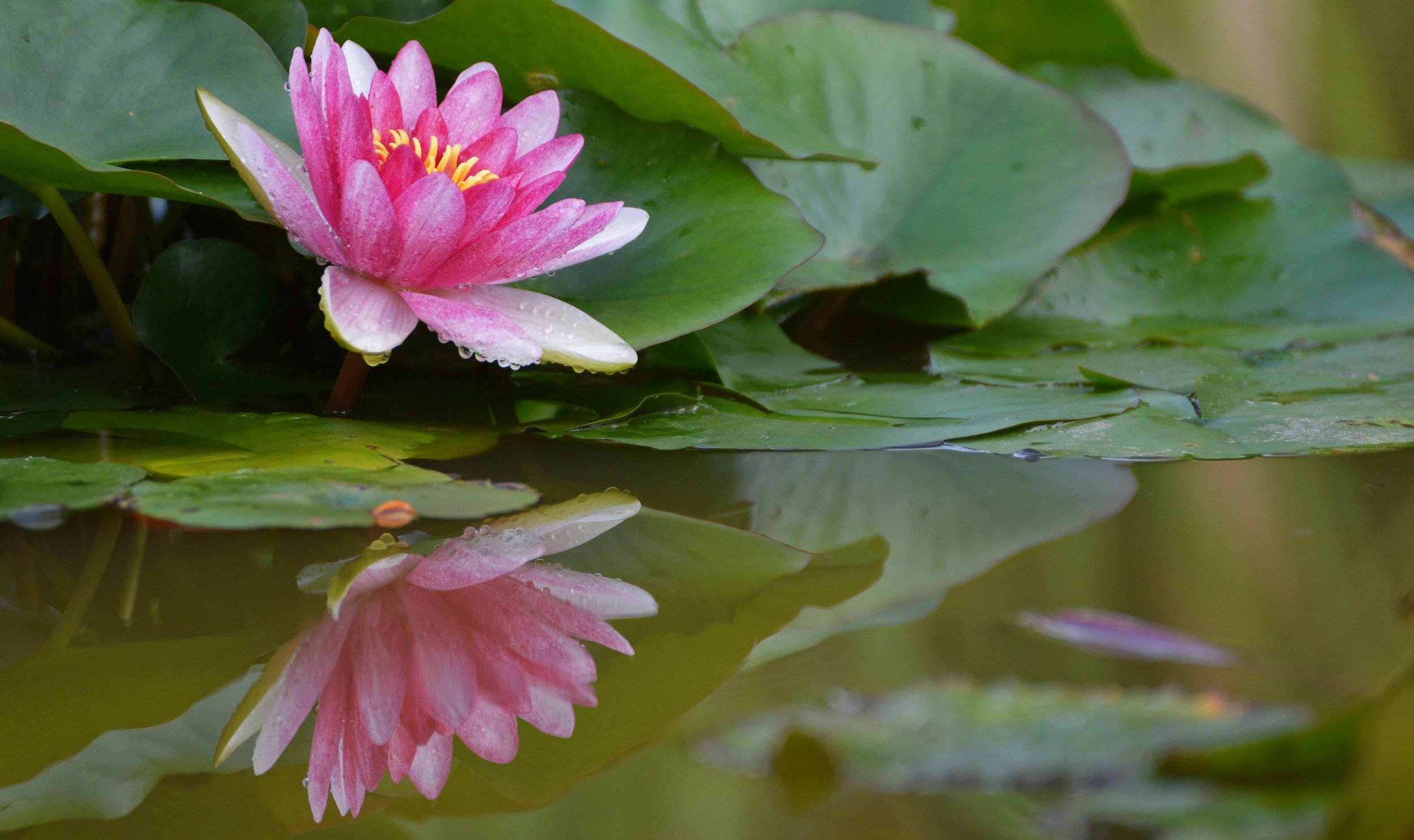
Reflection
Today, simply notice your breathing.
While you're driving.
Working.
Walking.
Reading.
Making dinner.
Is your mouth gently open?
Can you soften your lips and allow one slow breath through your nose?
Not because someone told you to.
But because you're curious.
Curiosity invites us to explore beyond the edges of what we currently know.
Perhaps healing begins there.
A Final Thought
The next breath you take will not change your life.
But thousands of mindful breaths, practiced with curiosity instead of judgment, might quietly change the way you relate to yourself.
Healing rarely happens all at once.
Like the roots of a tree reaching deeper into the earth, it grows through small moments repeated over time.
Perhaps today begins with something as simple as one gentle breath through your nose.
Not because your body is broken.
But because it has been waiting for someone to listen.
With care,
Bobbi Jo Hamilton, MSW, LICSW, RYT
